
- Home
- Pros & Cons of Nutraceuticals in the Food Sector
Pros & Cons of Nutraceuticals in the Food Sector
Nutraceuticals
The term nutraceutical is a combination of two words: nutrient, meaning nourishing or food-based component, and pharmaceutical, referring to a medical drug. Nutraceuticals encompass any nourishing food or food-derived product that offers health benefits, such as providing nutritional value, preventing diseases, promoting overall health, or supporting physiological functions.
Classification of Nutraceuticals
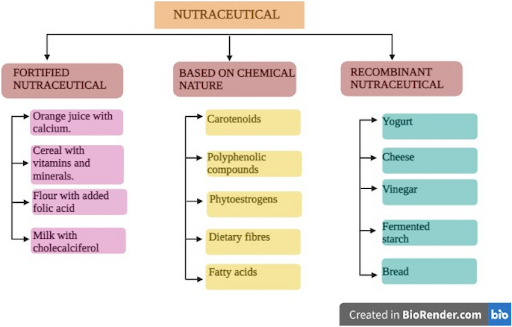
Nutraceuticals are broadly categorized into three types:
- Fortified Nutraceuticals
- Chemical Based Nutraceuticals
- Recombinant Nutraceuticals
Some examples of fortified nutraceuticals include calcium-fortified orange juice and milk enriched with cholecalciferol (vitamin D3).
Nutraceuticals Based on Chemical Nature
This category is further subdivided into:
– Carotenoids: Natural pigments found in plants and other sources that are valued for their health benefits.
– Polyphenolic Compounds: Micronutrients found in plants that offer antioxidant and anti-inflammatory properties.
– Dietary Fiber: A type of carbohydrate found in plant-based foods that the body cannot digest, beneficial for gut health and disease prevention.
– Fatty Acids: These promote health and help prevent diseases, particularly by reducing the risk of atherosclerosis due to their antioxidant and anti-inflammatory properties.
– Phytoestrogens: Plant-based compounds that mimic estrogen, providing a natural alternative to synthetic estrogen receptors.
Some examples of recombinant nutraceuticals are yogurt, cheese, vinegar, fermented starch and bread.
Uses of Nutraceuticals in the Food Industry:
- Antioxidants – Antioxidants help delay the oxidation of bioactive compounds in food, such as vitamins, minerals, carotenoids, and polyphenols. They protect the body from oxidative stress and reduce the risk of chronic diseases.
- Omega-3 Fatty Acids – Omega-3 fatty acids play a crucial role in preventing cardiovascular diseases. They help reduce inflammation and prevent plaque formation in arteries, thereby improving heart health.
- Carotenoids – Carotenoids are powerful antioxidants that help prevent diseases such as cancer, cardiovascular diseases, and eye disorders. They also reduce inflammation, slow down aging, and improve vision.
- Dietary Fiber – Fiber-rich meals help in weight management, reduce the risk of coronary heart disease and stroke, control diabetes, promote gut health, relieve constipation, and enhance workout performance by maintaining energy levels.
- Phytoestrogens – Phytoestrogens are known for their antioxidant and anti-androgenic properties. They reduce the risk of osteoporosis, modulate tumor suppressor genes, and play a role in preventing the development of certain cancers.
- Polyphenols – Polyphenols have strong antioxidant and anti-inflammatory properties. They promote gut health, reduce the risk of cardiovascular diseases and hypertension, and lower the chances of developing type 2 diabetes.
- Fatty Acids – Fatty acids, found in oils and fats, have anti-inflammatory and immunomodulatory properties, contributing to overall health and reducing the risk of chronic diseases.
- Food Additives – Nutraceuticals are often used as food additives, such as vitamins, minerals, antioxidants, and carotenoids, to enhance the nutritional value of food products.
- Health Promotion – Nutraceuticals help maintain brain chemistry, reduce the risk of cancer and heart diseases, and prevent neurodegenerative disorders such as Alzheimer’s and Parkinson’s.
- Therapeutic Support- Nutraceuticals offer therapeutic benefits for various conditions, including digestive issues, coughs, colds, arthritis, sleep disorders, cancer treatment, depression, high cholesterol, blood pressure regulation, and pain relief.
Cons of nutraceuticals in the food sector:
While nutraceuticals offer numerous health benefits, inappropriate usage or overconsumption may pose health risks. Some challenges associated with nutraceuticals include:
- Safety Concerns – Nutraceuticals can be adulterated or contaminated with heavy metals, pesticides, mycotoxins, and other harmful substances, increasing the risk of adverse effects. Ensuring product safety and identifying trustworthy sources can be challenging for consumers.
- False Advertising – Many nutraceutical products are falsely marketed as “metal-free” but may contain trace amounts of harmful substances like lead, arsenic, or cadmium, providing inadequate transparency about the ingredients and manufacturing process, leading to potential health risks.
- Side Effects – Excessive consumption of nutraceuticals can cause side effects such as elevated blood pressure, digestive issues, liver damage, and other adverse health outcomes.
- High Cost – Nutraceutical products are often more expensive than traditional food products or dietary supplements, making them less accessible to the general population.
- Lack of Scientific Evidence – There is a lack of clinical trials and long-term studies to validate the safety and effectiveness of many nutraceuticals. This makes it difficult for consumers and healthcare providers to rely on them as a proven treatment option.
- Bioavailability Issues – Many nutraceuticals are quickly metabolized and eliminated from the body before they can produce any significant therapeutic effects, reducing their effectiveness.
- Placebo Effect – The effectiveness of some nutraceuticals may be misinterpreted due to the placebo effect, where users perceive improvements in their health that are actually due to the body’s natural healing process.
- Lack of Disclosure – Patients may not disclose their drug/supplements usage to healthcare providers, leading to potential drug-nutrient interactions that can compromise treatment outcomes.