
- Home
- Preventive Care for Cancer
Preventive Care for Cancer
Cancer: Understanding, Types, Symptoms, and Prevention
What is Cancer?
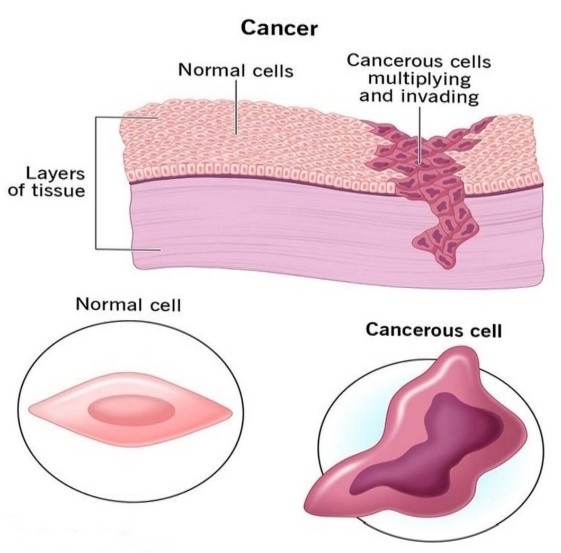
Cancer is a group of diseases which can develop in any organ or tissue when cells mutate, grow and divide uncontrollably. These cells can easily spread to other tissues (a process known as metastasis), forming clusters or tumors. Cancer cells evade and destroy healthy tissues, including organs. It is the second most common cause of death globally, with approximately 1 in 4 people developing cancer at some point in their lifetime.
Genetic changes in DNA, caused by carcinogens, radiation, heat, or physical injury, can lead to cancer. Unlike normal cells, cancer cells do not mature or undergo apoptosis (programmed cell death). Instead, they remain immature, primitive, and lack specific functions.
Types of Cancer
Cancers are broadly classified into three categories based on their origin and the tissues they affect:
- Solid Cancers:
- They are the most common type, accounting for 80 – 90% of all cases.
- They include carcinomas (affecting epithelial tissues like skin, breast, colon, and lungs) and sarcomas (affecting bones and connective tissues).
- Blood Cancers:
- These originate in blood cells or lymphatic tissues.
- Examples include lymphoma, multiple myeloma and leukemia.
- Mixed Cancers:
- These involve two classifications or subtypes, such as carcinosarcoma and adenosquamous carcinoma.
Cancer Staging:
Cancer is staged based on tumor size, location, and spread:
- Stage I-III (1–3): Early-stage or locally advanced cancer which can spread to surrounding tissues or nearby lymph nodes.
- Stage IV (4): Metastatic cancer can spread to distant areas of the body through the bloodstream or lymphatic system.
Symptoms of Cancer
Cancer symptoms vary but may include:
- Fatigue
- Night sweats or fever (particularly at night)
- Loss of appetite
- Persistent pain
- Unexplained weight loss
- Skin changes or abnormal moles
- Blood in urine or persistent cough
- New lumps or bumps
Note: Having these symptoms doesn’t necessarily indicate cancer. It can often remain undetected for years. Diagnosis typically requires blood tests, scans, biopsies, and thorough physical examinations.
Cancer Treatment
Cancer can be treated using various methods or combinations of methods, such as:
- Surgery
- Radiation therapy
- Chemotherapy
- Immunotherapy
- Hormone therapy
- Bone marrow transplant
Healthy Living and Cancer Prevention
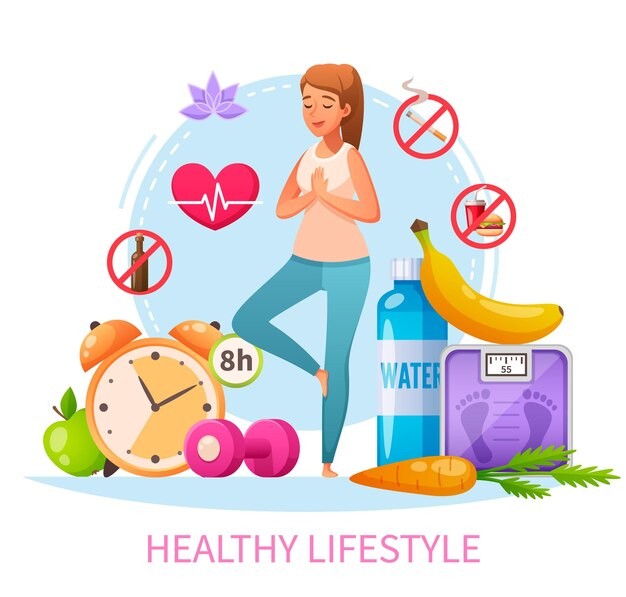
1. Nutrition:
- Fruits and Vegetables: Rich in vitamins, minerals, and antioxidants, they help reduce the risk of digestive and stomach cancers. Include at least three different colors daily.
- Whole Grains: High in fiber and antioxidants, they reduce the risk of colorectal cancer. Switch to options like oats, millets & whole grains.
- Lean Proteins: Incorporate skinless chicken, fish, tofu, or paneer. Limit red meat and avoid processed meats.
- Healthy Fats: Foods rich in omega-3 and omega-6 fatty acids, like walnuts, flaxseeds, and fish, can reduce inflammation and promote heart health.
2. Hydration:
- Drink plenty of water and consider adding fruit slices or herbs for flavor. Avoid caffeinated and alcoholic beverages that lead to dehydration.
3. Sleep and Exercise:
- Aim for 6- 8 hours of sleep to reduce insomnia and fatigue.
- Engage in 150 – 300 minutes of moderate-intensity aerobic activity weekly, as recommended by the National Cancer Institute.
4. Maintain a Healthy Weight:
- A BMI between 18.5 and 24.5 kg/m² is ideal for cancer patients. Obesity (BMI > 30) increases cancer risk.
5. Sun Protection:
- Use sunscreen, seek shade, and wear protective clothing to reduce exposure to harmful UV rays.
6. Avoid Harmful Habits and Substances:
- Quit smoking, limit alcohol, and reduce exposure to environmental toxins (e.g., asbestos, pesticides).
- Avoid overcooked, fried, or junk foods. Limit sugar and salt, as they can contribute to inflammation and metabolic changes.
Tips:
- Noni Fruit: Known for its anticancer properties; consuming 1 spoon of juice daily may help.
- Ramphal: Contains annonacin, which may aid in prevention of cancer.
- Sunflower seeds: They are rich in antioxidants like Vitamin E and flavonoids which prevent free radical damage.
By adopting a healthy lifestyle and following these preventive measures, risk of cancer development can be reduced.